
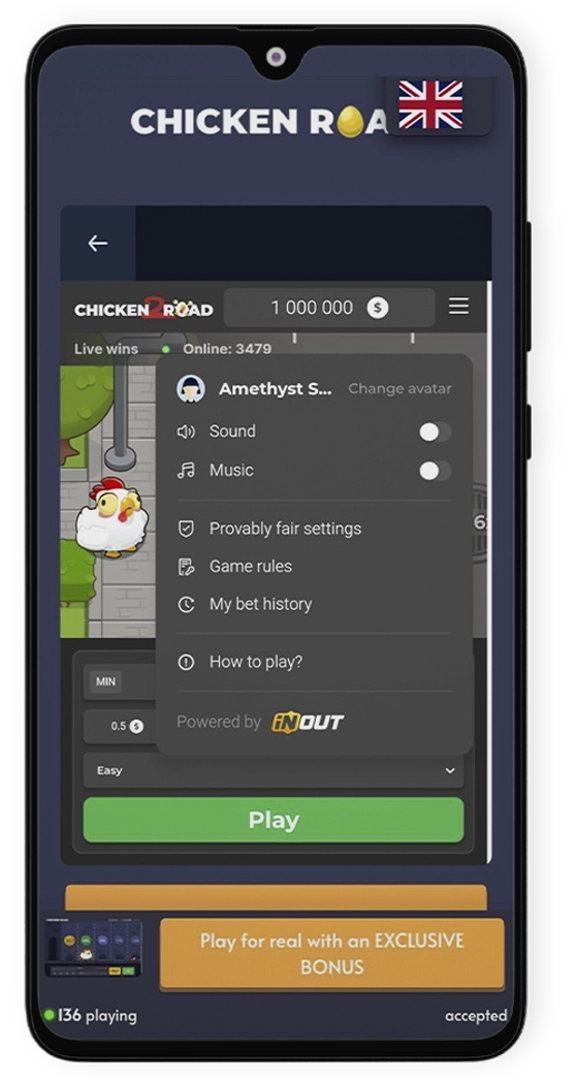
I assess games for Canadian players, and I’ve taken a thorough look at how Chicken Road handles chat safety. Their language filter is crucial for keeping players protected. Here, I’ll detail how this system works in Canada to make sure everyone can play in a safe space.
Grasping the Need for Chat Moderation
Online gaming lives on player interaction, but without filters, chat can quickly turn toxic. In Canada, safety and diversity are big priorities, so a robust filter isn’t just nice to have—it’s essential. It keeps younger players safe and maintains the courteous online culture that Canadians value. By stepping in early, moderation stops bad behavior from ruining the game.
The challenge is finding the right balance between safety and free speech. A good filter needs to stop real harassment without killing the fun of friendly trash talk. Chicken Road draws players of all ages, so getting this balance right is vital. The developers are on the hook to build a place where competition stays fun and welcoming for every Canadian.
How the Chicken Road Language Filter Functions
The filter functions in instant, scanning every text message before it shows up in public chat or private groups. It uses a living database of banned words and phrases that is updated regularly. It identifies clear profanity, hate speech, and personal info. Plus, it employs context analysis to figure out what people really mean when they use certain words together.
If a player tries to send a banned term, the message usually gets blocked completely. The sender may receive a polite reminder about the rules. This quick action cuts off harmful content right at the source. The filter’s smart enough to detect common tricks like misspellings or swapped characters, so it keeps working.
User Experience and Community Impact
In my experience, a solid filter enhances the game more enjoyable for everyone. It reduces reports and enables players concentrate on strategy and playing. As teamwork matters in Chicken Road, a well-moderated chat assists people collaborate better. Players are more inclined to participate when they understand the space is being watched.
Over time, this builds a more resilient, long-term community https://mortimerandbennett.com/. Fresh players remain if their early encounters are favorable. By managing negativity, the filter assists position Chicken Road seen as a safe spot for Canadian players. That straight supports the game last longer and keeps the social vibe uplifting.
Constraints and the Importance of Player Reporting
To be fair: no automated filter gets it right every time. Creative wording or new slang can slip through. Occasionally the system overreacts and stops harmless messages. That is the reason the language filter is just the initial layer of protection, not the entire answer. It has to work together with real human moderators and easy-to-use reporting tools.
I advise players to use the in-game report button for whatever that gets past the filter. That feedback is vital for ensuring the database current. The top safety setup mixes tech with attentive players. Everybody—players and developers—has a responsibility in keeping Chicken Road a respectful place.
Conformity with Canadian Digital Safety Laws
Canada’s rules around online safety are continuously shifting, with new rules intended to protect users from harmful stuff. Chicken Road’s filter fits right in by confronting risks head-on. It assists the game follow the purpose of laws on harassment and hate speech. This is especially important because kids across the country can play.
The system also handles Canada’s two languages, screening bad content in either English and French. By baking legal standards into its design, this feature helps Chicken Road avoid trouble. It demonstrates the company is committed about playing by the rules in Canada and valuing local culture.
Adaptation for Canadian-based Cultural Context
A standard filter won’t work for Canada. Chicken Road’s system includes local slang and terms that could be offensive here. It gets references that could be harmless in other places but offend in Canadian circles. This tailored touch is what makes the safety feature resonate and operate correctly.
The filter also considers Canada’s diversity of cultures. It’s designed to skip over common words from other languages spoken here, unless someone’s using them to offend. This thoughtful approach stops players from different backgrounds from being unfairly muted, helping build a gaming space that feels truly Canadian and accessible to everyone.
FAQ
Is the language filter be turned off in Chicken Road?
Absolutely not, the language filter is compulsory for all players in Canada. It’s permanently active in public and team chats to ensure a basic level of safety for everyone. This consistency is how the game maintains its standards and satisfies safety rules.
Does the filter filter out French-Canadian swear words?
Yes, the filter encompasses profanity and harmful phrases in both official languages. It knows common French-Canadian slang and expressions that infringe the conduct rules. The system aims to moderate fairly in English and French chats.
What is the outcome if I am accidentally muted by the filter?
If you think a harmless message was blocked, attempt saying it in another way. The filter looks at word combinations and context. You can also report false positives through the game’s support. Feedback assists to adjust the algorithm, but there’s no immediate solution for a single blocked message.
By what means does this safeguard my child playing Chicken Road?
The filter is a significant help in protecting kids from bad language, harassment, and creepers. It automatically blocks visible harmful text, offering a safer layer to interactions. But it should be paired with parent guidance and supervision, since not any automated system captures every risk in a live online game.